Let's address the sticker shock head-on: yes, a Speed Queen washer costs more than the sale-tagged machine at the big-box store. Sometimes hundreds more. If price-per-machine were the only measure, the conversation would end there. But nobody actually buys a washer to own a washer — you buy 20-plus years of clean laundry. Measured that way, the math flips hard, and it is worth walking through honestly, including the cases where Speed Queen is genuinely not the right buy.
What You Are Actually Paying For
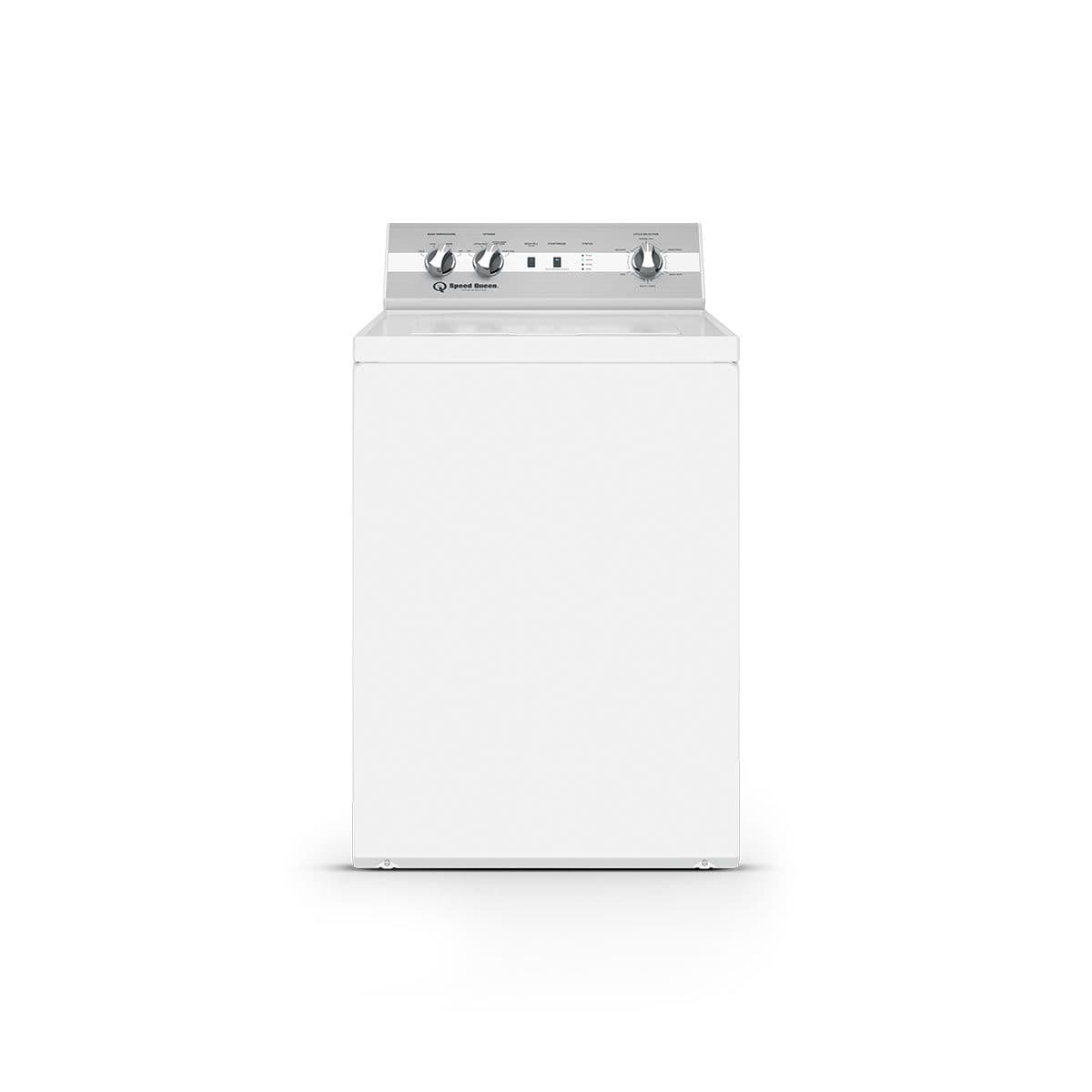
The price gap between a Speed Queen and a mainstream washer is not branding. It is the bill of materials and the labor behind it: a stainless steel wash tub, heavy-gauge steel cabinet, commercial-derived suspension, a metal transmission in the Classic Clean TC5, and assembly in Ripon, Wisconsin by the same company that builds the machines in laundromats. Every one of those choices costs real money, and none of them show up in a spec-sheet feature list. They show up in year 15, when the machine is still running.
Speed Queen tests these washers to roughly 10,400 cycles — the equivalent of about 25 years of typical home use. That is the product. The wash cycles are almost a byproduct.
The Cost-Per-Year Math
Run the numbers the way a laundromat owner would, because for them a washer is a business asset, not an impulse buy.
The typical path: an $800 mainstream washer with a realistic 10-year life (the category average is 8 to 12) costs $80 per year — before the near-inevitable out-of-warranty repair ($250 to $500) somewhere in years 5 through 9, before delivery and haul-away on each replacement, and before you buy the whole machine again around year 10 at a higher price.
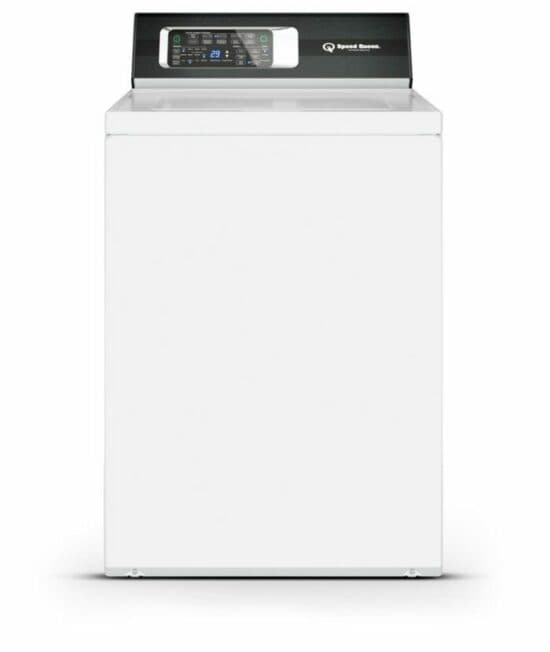
The Speed Queen path: pay more once for a machine engineered for 25 years. Spread a top load like the TR7 across its design life and the cost per year lands in the $50 to $70 range — cheaper than the cheap machine — with a 7-year full warranty absorbing repair risk during the exact window when other owners start writing checks.
Over 25 years, the replace-every-decade path typically costs 30 to 60 percent more in total dollars, delivers two or three shopping-and-delivery headaches, and guarantees you will do all of it during whatever appliance prices look like in 2036.
The Warranty Is Worth Real Money
Most washer brands give you one year of full coverage. Speed Queen's residential machines carry full 3, 5, or 7-year warranties — parts and in-home labor — depending on the model tier. A single covered service call can be worth $300 or more, and the 7-year models effectively insure you through the entire period when mainstream machines statistically start failing. Our warranty guide breaks down every tier; the short version is that the number in the model name (TR3, TR5, TR7) is the number of years of full coverage.
The Costs Nobody Puts on a Price Tag
A dead washer is never just a repair bill. It is laundromat runs with a family's worth of hampers, days off work for service windows, comparison-shopping all over again, and the small indignity of paying to have your old machine hauled away. Reliability has a value that never appears in a spreadsheet until you have lived without it. Independent surveys of repair technicians have repeatedly ranked Speed Queen the most reliable washer brand they see — which is another way of saying its owners experience those hidden costs least often.
What Long-Term Owners Actually Report
Spend time in any appliance forum, or just ask around at a family gathering, and a pattern emerges. Owners of budget washers talk about their machines in the past tense — which one died, what the repair guy said, what they bought next. Speed Queen owners talk about theirs in the present tense, usually with a number attached: twelve years, seventeen years, the one in the basement that came with the house. Independent surveys of appliance repair technicians — the people with the least sentimental view of any brand — have repeatedly ranked Speed Queen first for reliability. Technicians see every make at its worst; when they buy Speed Queens for their own homes, that is about as unbiased as appliance data gets.
There is also a quiet resale truth: a working Speed Queen holds value the way most washers do not. Used units routinely sell for meaningful money at ages where other brands are scrap-metal pickup. You will probably never sell yours — that is rather the point — but it says something that the market prices these machines like durable goods and prices most washers like consumables.
Who Should NOT Buy a Speed Queen
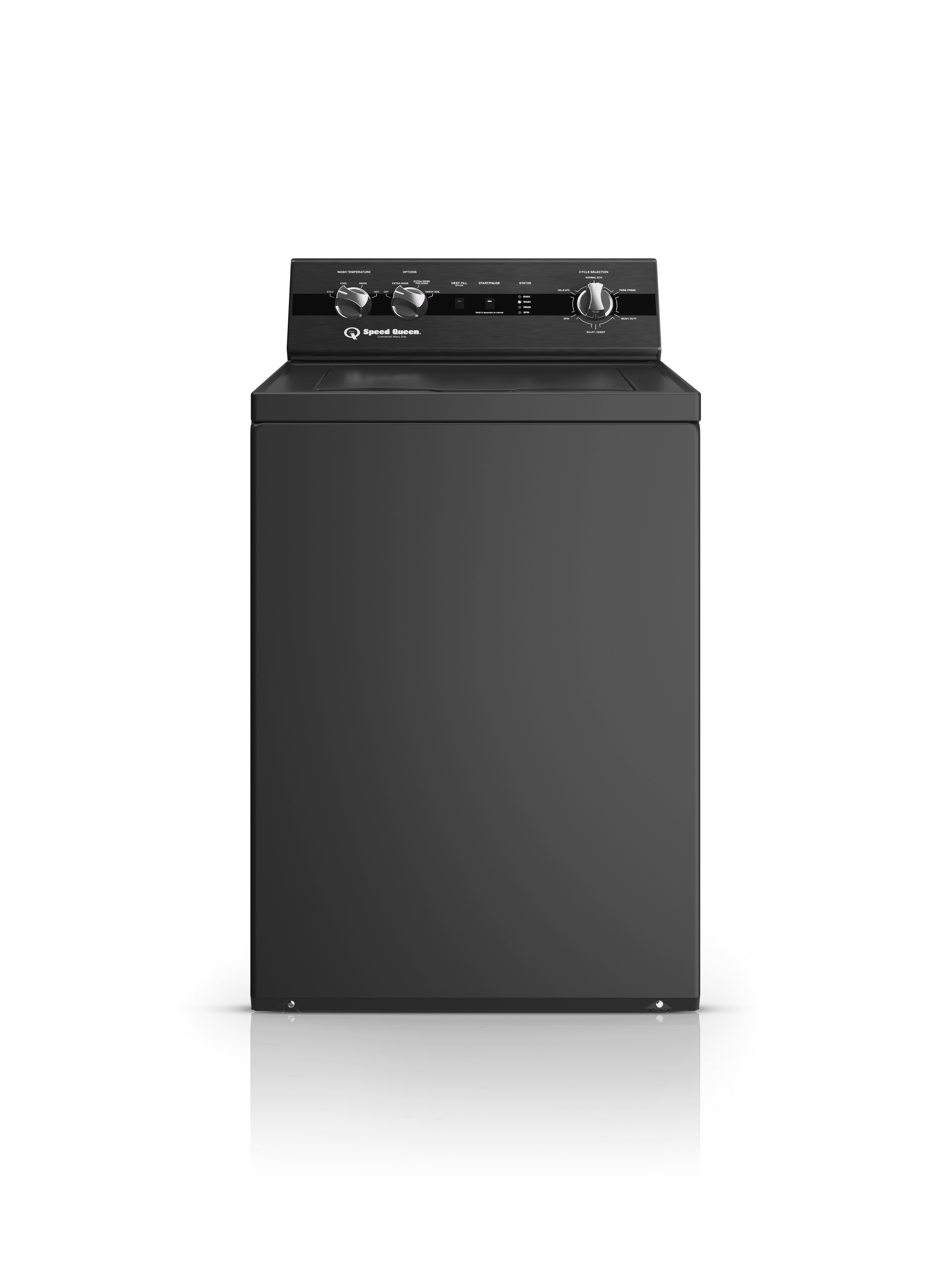
Honesty cuts both ways, so here is who should probably pass. If you are furnishing a rental you will sell in two years, a budget machine may serve fine. If you want a glass lid, a phone app, and two dozen specialty cycles, Speed Queen's deliberately simple controls will feel spartan — these machines are engineered around wash performance and lifespan, not features. And if your laundry volume is genuinely tiny (one person, a few loads a week), the durability premium takes longer to pay back, though the machine will simply last even further beyond the average.
If, on the other hand, you run a real household's laundry and you are tired of buying the same appliance twice, you are exactly who this machine was engineered for. If the reason you are here is that you have already replaced two machines in a decade, read why cheap washers break next — it explains the mechanism, not just the money.
The Cheapest Way In
One thing worth knowing before you decide the price is out of reach: the savings between Speed Queen tiers come out of the control panel, never the chassis. The TR3006WN is the entry top load, and it is built on the same steel cabinet, stainless tub, and commercial-derived suspension as the flagship — it simply carries a 3-year full warranty instead of seven and a leaner cycle set. If your objection to Speed Queen is the sticker and not the machine, that is the model to price out. And if you would rather have the traditional deep-fill wash than the extra warranty years, the TC5003WN Classic Clean sits in the 5-year tier for less than the flagship.
Making the Price Easy
The one legitimate objection to Speed Queen is the up-front outlay, and there is a clean answer: we offer flexible financing, which spreads the cost of a 25-year machine over comfortable monthly payments. Pair a washer with a matching Speed Queen dryer — the DR7004WE alongside a TR7, or the DC5004WE alongside a TC5 — and you outfit the whole laundry room in one decision, one delivery. Browse every option under Speed Queen dryers.
The Bottom Line
Speed Queen washers are expensive machines that cost less than cheap ones. If you keep it past its warranty, you win; if you keep it a decade, you win big; if you keep it 25 years, it may be the best cost-per-year appliance in your house. See the whole lineup of Speed Queen washers, read why Speed Queen for the engineering story, or call us at (732) 631-8800 — we will help you run the math on your own household.