Ask ten appliance repair technicians how long a modern washing machine lasts and you will hear the same uncomfortable range: eight to twelve years for most brands, sometimes less. Ask the same technicians which washers they see still running after twenty years, and one name comes up over and over. Before we get there, it is worth understanding why the average has fallen — because once you see the mechanics of it, you can buy your way out of the problem entirely.
The Honest Numbers on Washer Lifespan
Industry data and repair-technician surveys converge on a fairly consistent picture. Conventional top load washers from mainstream brands average roughly 10 to 13 years. Front load washers average roughly 9 to 11, with door-gasket and bearing issues often arriving earlier. Budget machines at the bottom of the price ladder frequently fail inside 7 years. And these are averages that include the lucky units — plenty of machines exit through the garage door well before their tenth birthday.
Two generations ago, the family washer routinely served 20 or 25 years. So what changed?
Why Modern Washers Die Young
Cost engineering. Retail price competition pushed manufacturers to replace metal transmissions, metal tubs, and robust suspensions with plastic and lighter assemblies. Every dollar shaved off the build cost tends to come out of the component least visible to the shopper — and longevity is invisible in a showroom.
Electronics everywhere. Modern control boards do wonderful things, but a $300 board failure on an 8-year-old machine usually totals it, the same way a bent frame totals a car. More sensors and more boards mean more single points of failure.
Repair economics. When a service call plus parts runs $250 to $500 and a new machine costs $700, replacement wins — so machines that could be fixed get scrapped, dragging the effective average down further.
Design targets. This is the quiet one. Most washers are simply not designed to last longer than about a decade. Engineers hit the target they are given. If the target is 10 years, the machine is a 10-year machine no matter how carefully you treat it.
What Shortens a Washer's Life (That You Control)
Whatever you buy, a few habits move the needle: chronic overloading strains the motor, bearings, and suspension more than anything else you do; excess detergent builds residue that eats seals and breeds odor; an unlevel machine hammers its own suspension on every spin; and rubber inlet hoses past their fifth birthday are a flood waiting for a weekend you are out of town. We collected the full owner's playbook in our guide to making a washer last 30 years.
Warning Signs Your Washer Is Nearing the End
Washers rarely die without notice; they announce it. Loud banging or grinding during spin usually means bearings or suspension — on most brands, a repair expensive enough to total the machine. Water on the floor that is not a loose hose fitting often traces to a tub seal or pump on its way out. Clothes coming out soaked point to a weakening spin; clothes coming out dingy despite clean habits point to a wash system losing its authority. Error codes that clear and return are a control board negotiating its retirement. Any one of these on a machine past year seven or eight is the universe telling you to start shopping before the machine chooses the timing for you — invariably a Sunday, invariably with the sheets in it.
There is also a quieter signal people miss: rising utility bills. A washer with tired bearings and a slipping drive works harder to do less, and an old dryer compensating for a weak spin cycle runs longer on every load. Sometimes the machine is not broken yet — it is just getting expensive.
Repair or Replace? The 50% Rule
The standard rule of thumb holds up well: if a repair costs more than half the price of a comparable new machine — or the machine is past two-thirds of its expected lifespan — replace it. A $400 bearing job on a 9-year-old washer that was designed for 10 years is money thrown at a machine that is already living on borrowed time. The same $400 repair on a machine engineered for 25 years, still under a full parts-and-labor warranty, is a different conversation entirely — and usually a free one.
How to Beat the Average by Fifteen Years
Here is the part the averages hide: washer lifespan is mostly decided on the day you buy, not in how the dice roll afterward. A machine engineered to commercial standards, tested to the equivalent of 25 years of home use, simply plays a different game than a machine engineered to survive a warranty period.
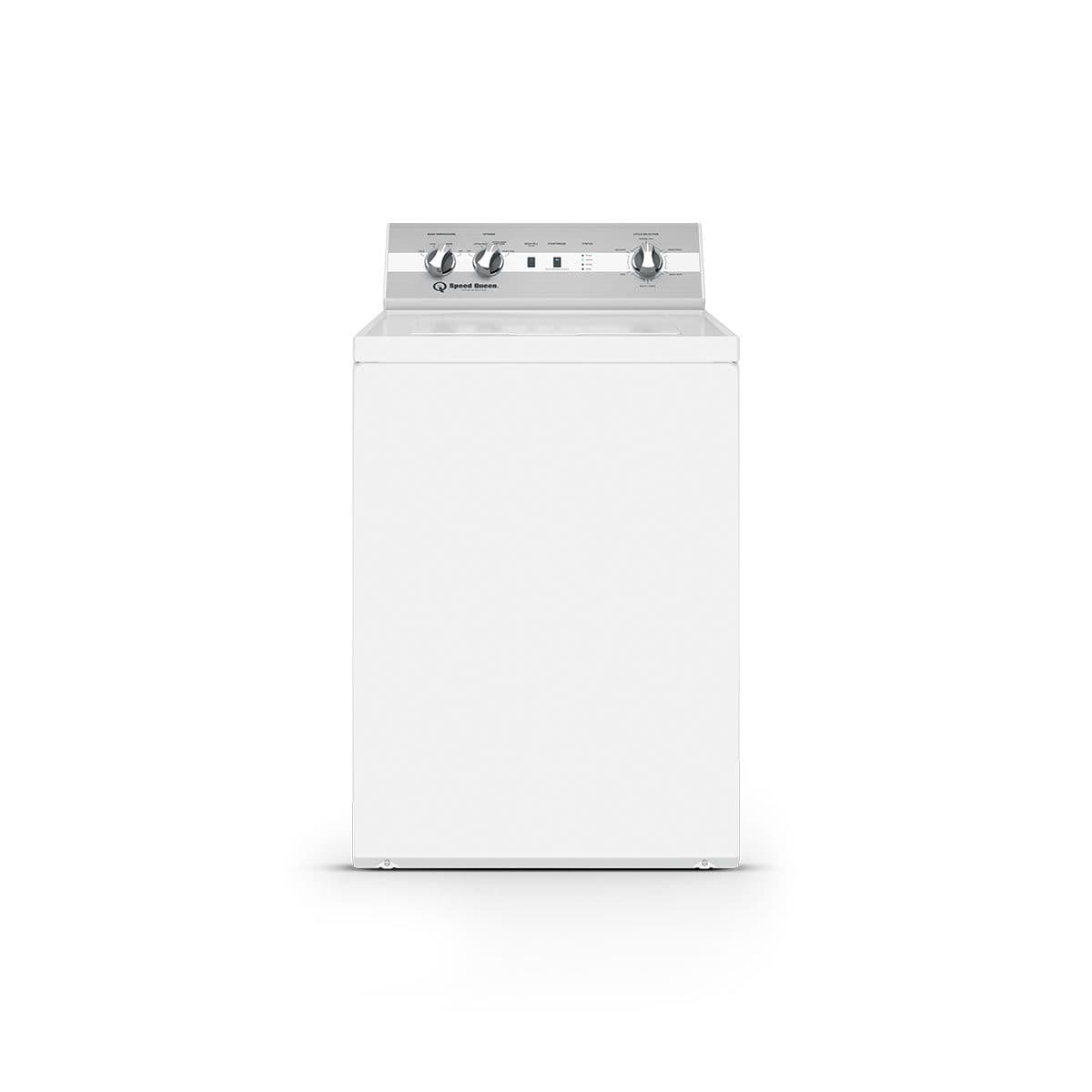
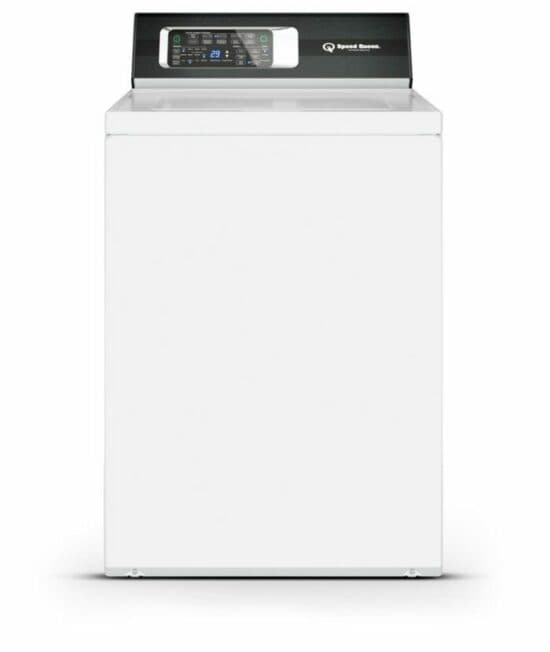
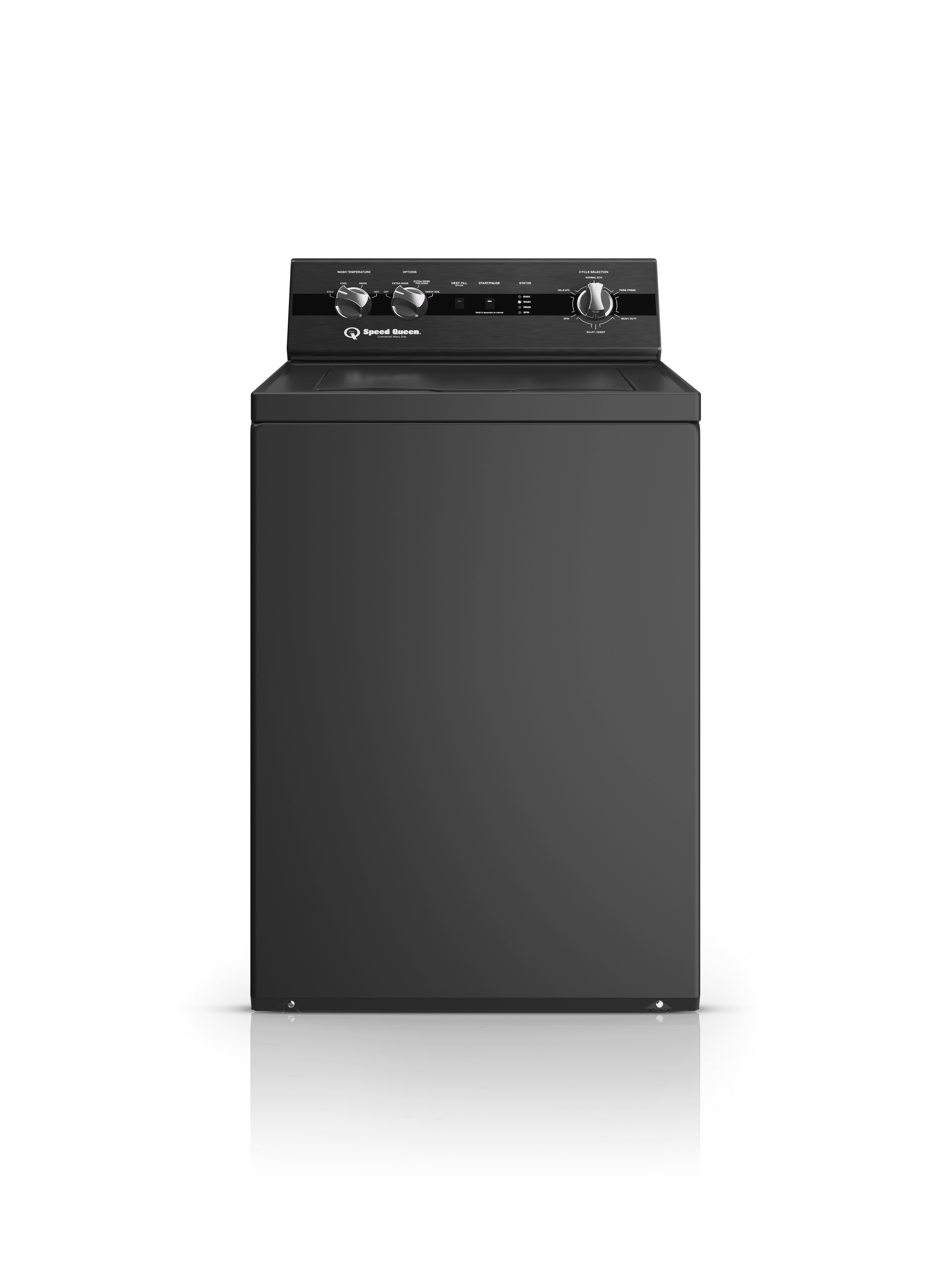
That is Speed Queen's entire reason for existing in the residential market. Its washers are built in Ripon, Wisconsin by the world's largest commercial laundry manufacturer, tested to roughly 10,400 cycles — about 25 years of typical family laundry — and backed by full warranties of 3, 5, or 7 years covering parts and in-home labor. The TC5 Classic Clean still uses a metal-transmission agitator drive; the TR7 pairs the same bones with a 7-year warranty; and the TR3 puts the same steel chassis in reach at the entry price with 3 years of full coverage. We break down the engineering in why Speed Queen washers last 25 years — and the failure side of the story in why cheap washers break.
The Lifetime Math
Buy an $800 washer every ten years and, over 25 years, you will buy three of them — call it $2,400 before delivery fees, disposal fees, repair bills on aging machines, and inflation, which has never once moved appliance prices in your favor. Buy one machine designed for the full 25 years and you pay more once, then stop paying. Cheap machines are only cheap the first time.
Ready to Exit the Replacement Cycle?
Browse our full range of Speed Queen washers — classic agitator top loads, high-efficiency top loads, and front loads — plus matching dryers built to the same standard. Not sure which fits your household? Start with why Speed Queen, or call our team at (732) 631-8800. Flexible financing is available, so the machine that lasts 25 years can fit this month's budget too.