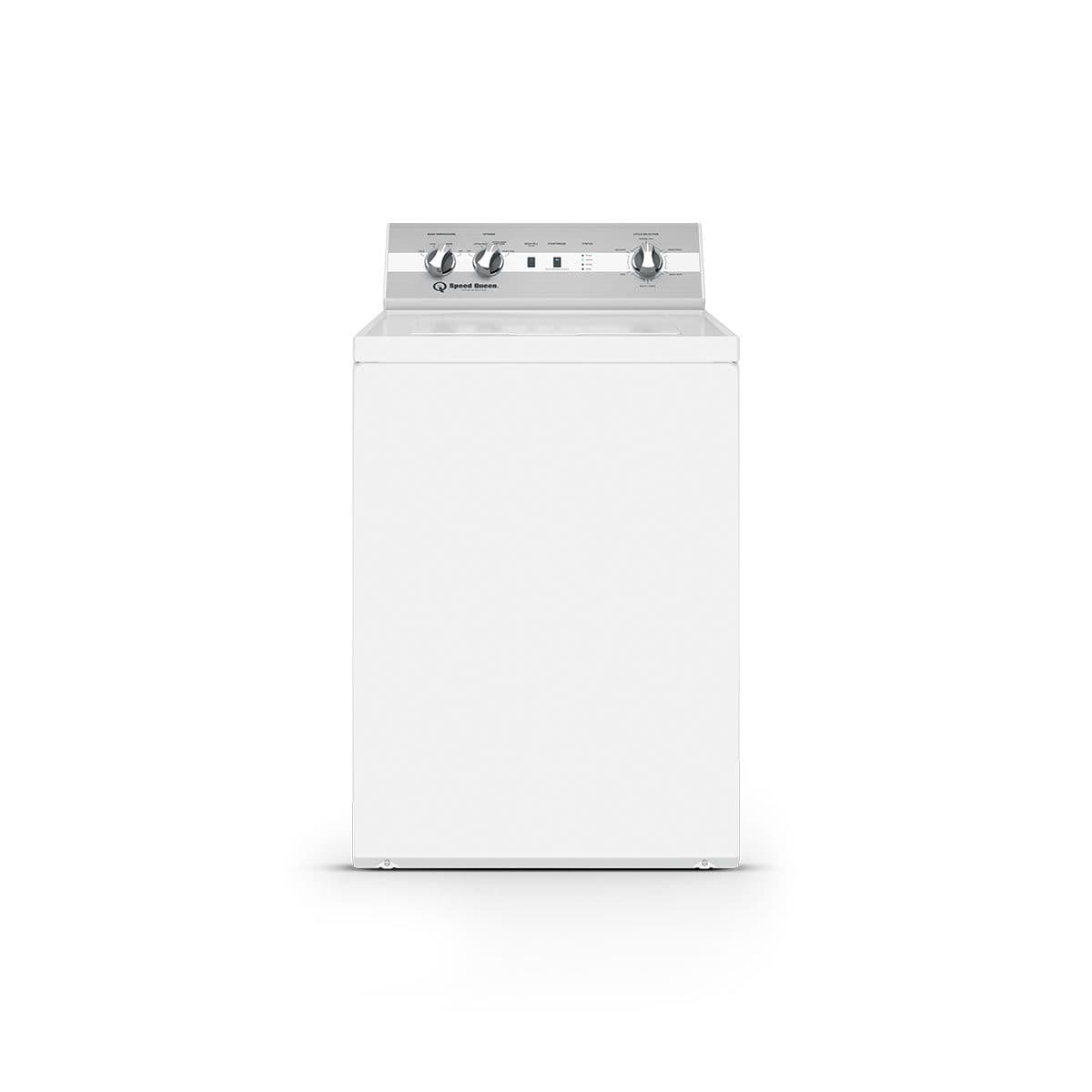
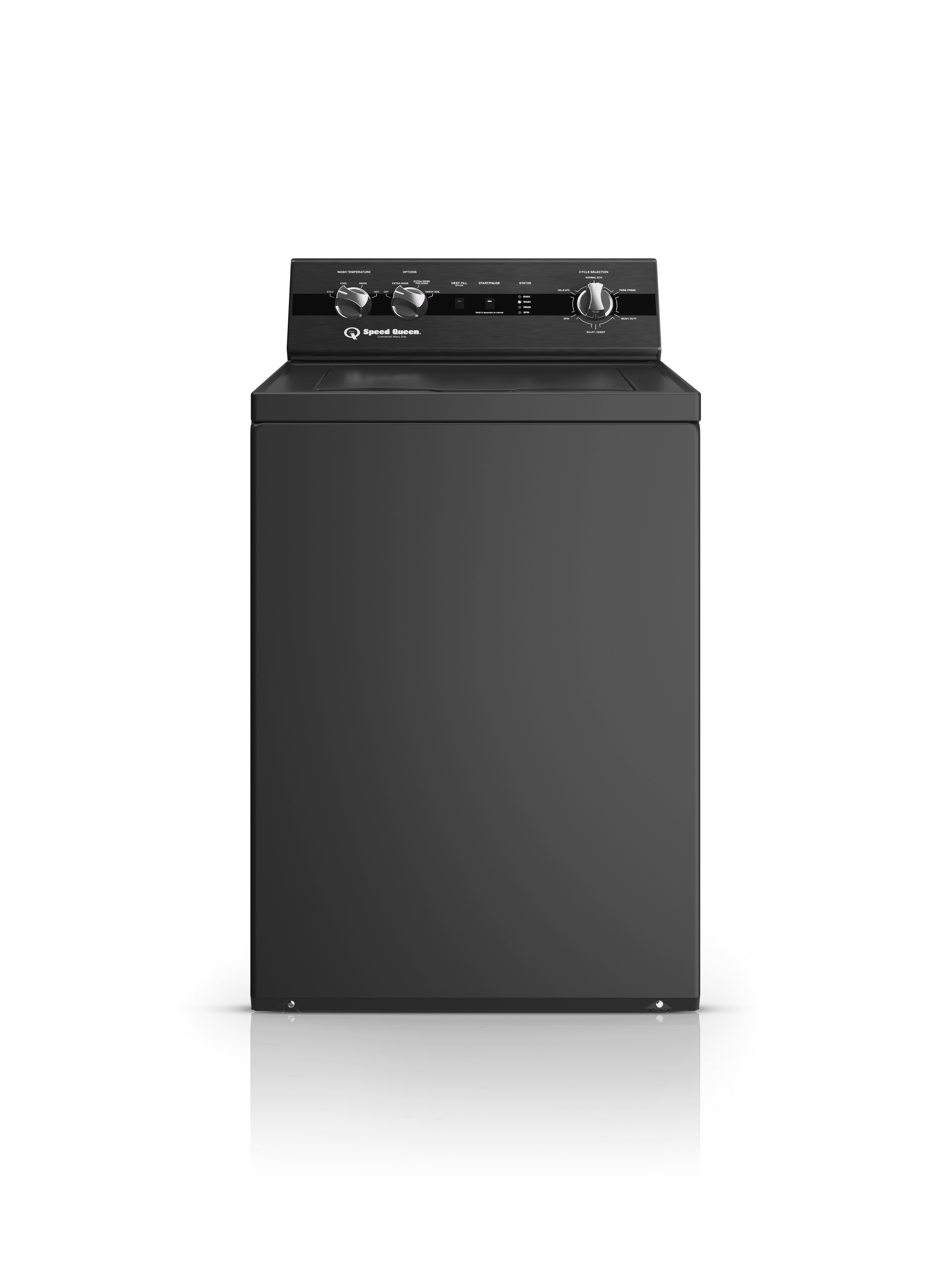
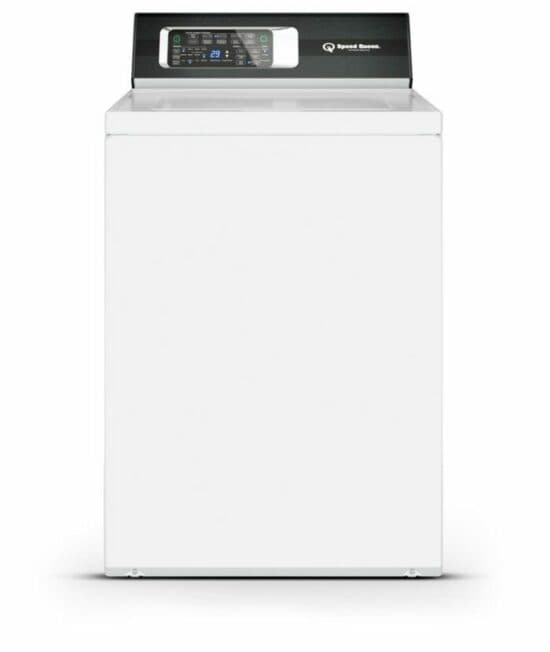
Walk into almost any laundromat in America and look at the machines taking a beating, load after load, twelve hours a day. There is a good chance the name on the front is Speed Queen. Now here is the part most shoppers never hear: the washer Speed Queen sells for your home is built by the same company, in the same Wisconsin factory town, with the same engineering philosophy. That is the short answer to why Speed Queen backs a claim almost no other appliance brand will touch — a residential washer designed and tested for 25 years of use in a typical home.
The long answer is worth understanding before you spend a dollar on any washing machine, because it explains why laundry appliances have quietly become disposable — and why they do not have to be.
What a 25-Year Design Life Actually Means
A design life is not a marketing slogan; it is an engineering target that gets set before the first part is drawn. Speed Queen tests its residential washers to roughly 10,400 wash cycles. Do the math on a typical household running about eight loads a week, and 10,400 cycles works out to approximately 25 years of real-world use. Every major component — the drive system, the suspension, the tub, the controls — has to survive that test regime before the machine ships.
Compare that to the broader industry, where most washers are engineered around a service life closer to eight to twelve years, and where independent surveys of repair technicians routinely put Speed Queen at the top of the reliability rankings. The difference is not luck. It is a set of deliberate engineering decisions, and each one costs more to make.
Metal Where Other Brands Use Plastic
Open up a typical modern washer and you will find plastic in places that surprise people: outer tubs, transmission components, brackets, and pulleys. Plastic is lighter and dramatically cheaper to mold, and for a machine expected to last a decade, it is good enough. Speed Queen takes the opposite approach in the places that carry load and take abuse.
The wash tub in a Speed Queen top load is stainless steel, not porcelain-coated or polymer. The cabinet is heavy-gauge steel. In the TC5003 Classic Clean washer, the agitator is driven through a genuine metal transmission — the kind of component that used to be standard in American washers and has largely vanished from the category. Heavier materials cost more and weigh more (anyone who has helped deliver a Speed Queen can confirm), but they are the reason these machines shrug off two decades of spin cycles.
Commercial DNA Is Not a Metaphor
Speed Queen's parent company, Alliance Laundry Systems, is the largest commercial laundry manufacturer in the world. The machines in laundromats, hotels, fire stations, and military bases are expected to run many cycles every single day, be fed by hundreds of different users, and keep earning revenue for their owners. That environment does not tolerate fragile parts.
The residential line is engineered on that same foundation. The suspension systems, bearing designs, and testing standards flow directly from the commercial side of the business. When we say a Speed Queen is commercial-grade, we mean it shares its bloodline — and much of its parts bin — with machines that survive in coin laundries.
The Test Lab Is the Secret Weapon
In Ripon, Wisconsin, Speed Queen runs machines around the clock in durability labs — out-of-balance loads, overloads, voltage swings, slammed lids, thousands upon thousands of cycles. Components that fail get redesigned, not excused. It is much cheaper to catch a weak part in a lab in Wisconsin than in your basement in year three, and the whole 25-year claim depends on that discipline.
This is also why Speed Queen resists the churn of yearly model redesigns. Where much of the industry refreshes styling and control boards constantly, Speed Queen evolves its platforms slowly and deliberately, so that every change is proven before it reaches your laundry room. Boring? Maybe. But boring is exactly what you want from a machine you are counting on for a quarter century.
A Warranty That Puts Money Behind the Claim
Talk is cheap; warranties are not. Speed Queen backs its residential washers and dryers with full warranties of 3, 5, or 7 years depending on the model — covering parts and in-home labor, not just a token first year. The flagship TR7 top load washer carries a 7-year warranty; the FF7 front load and SF7 stacked washer-dryer carry 5 years, full parts and in-home labor. When a manufacturer is willing to pay for repairs for seven years, it tells you what their own failure data looks like. You can read the full tier breakdown in our Speed Queen warranty guide.
What 25 Years Does to the Real Cost of Laundry
Here is the arithmetic that turns most Speed Queen skeptics into owners. Suppose a typical washer costs $800 and lasts ten years — call it $80 per year, before repair bills. A Speed Queen top load costs more up front, but spread across a 25-year design life, the cost per year of ownership drops below the cheap machine — and that is before you count the replacement washer (or two) the budget machine will need over the same period, the delivery fees, the disposal fees, and the days of laundry piling up while you shop again.
Durability is the least glamorous feature in the appliance aisle and the most valuable one in your home. We wrote a full cost breakdown in Are Speed Queen washers worth the price? if you want to see the numbers in detail.
Built for the Long Haul — Starting This Week
If you are ready to buy your last washer for a very long time, browse our full lineup of Speed Queen washers and matching dryers. Every machine ships from an authorized Speed Queen dealer, flexible financing is available so a 25-year machine does not require 25-year savings, and our team installs and services what we sell. Questions about which model fits your home? Call us at (732) 631-8800 — we will talk you through it in plain English.