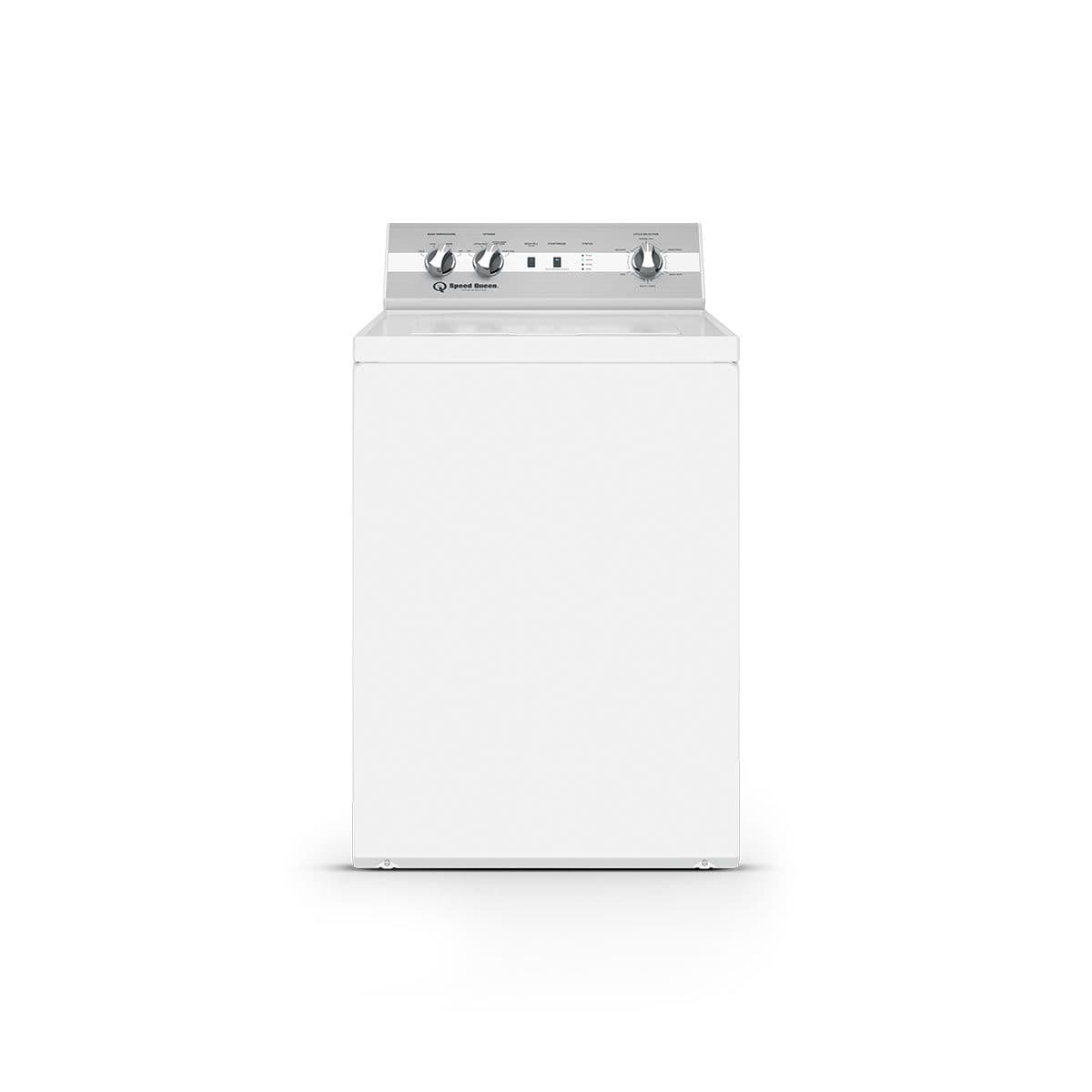
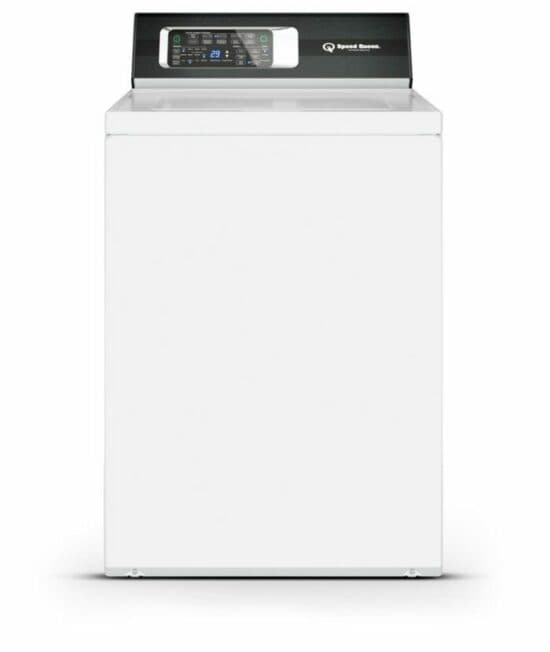
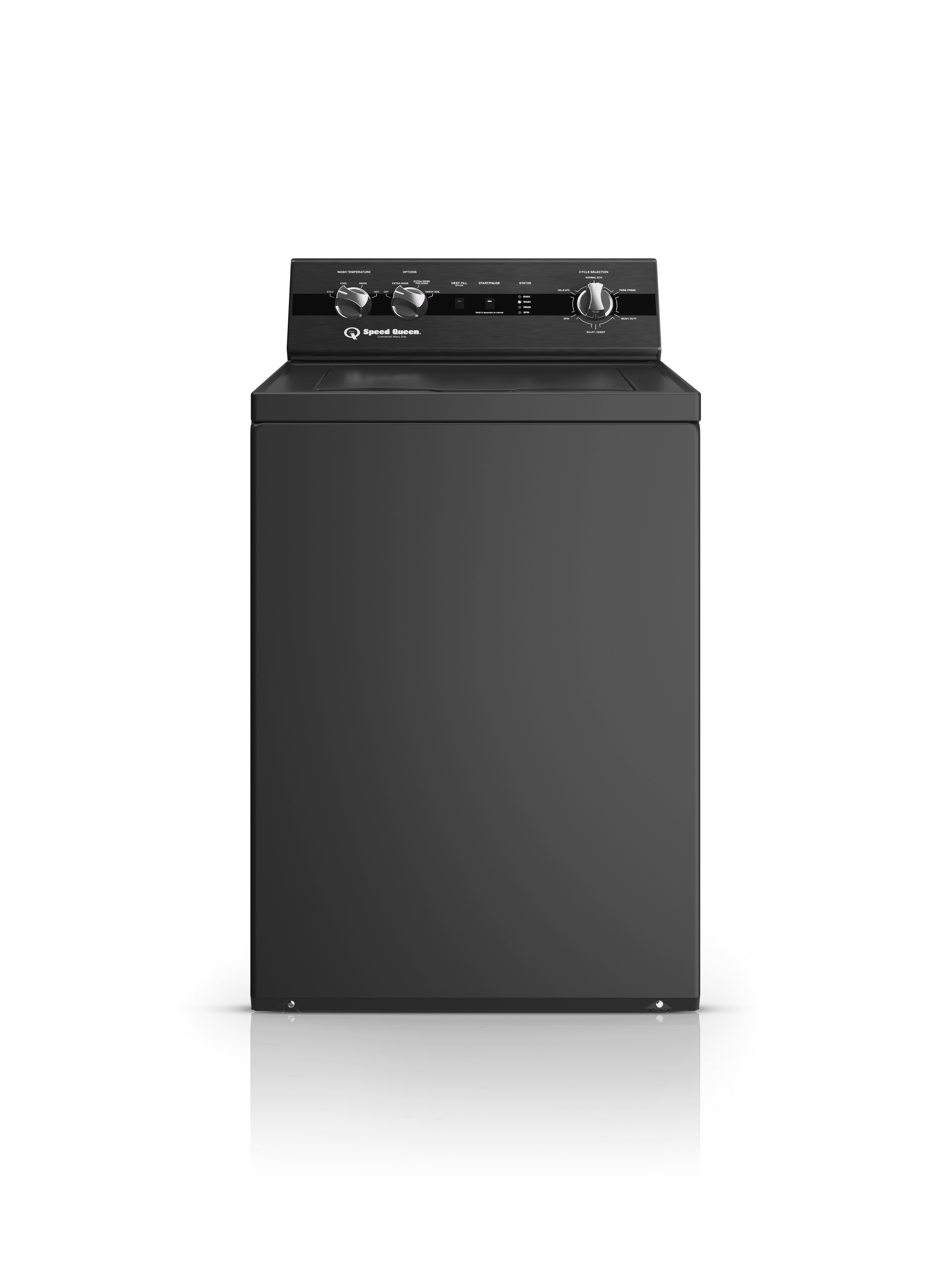
Speed Queen does the hard part at the factory: stainless tubs, steel cabinets, commercial-grade suspensions, and validation testing to roughly 10,400 cycles — about 25 years of family laundry. But every machine, no matter how overbuilt, lives in a partnership with its owner. The good news is that your half of the partnership takes minutes a month, costs almost nothing, and is the difference between a machine that meets its design life and one that sails past it. Here are the ten habits that matter, in rough order of importance.
1. Replace Inlet Hoses Every Five Years
The most catastrophic laundry failure has nothing to do with the machine: it is a burst rubber supply hose flooding the house, often while nobody is home. Swap inlet hoses every five years — braided stainless steel replacements cost little and resist bursting far better. Write the install date on the hose with a marker. While you are back there, make sure the shutoff valves actually turn; a valve you cannot close is not a valve.
2. Level the Machine — Then Check It Yearly
An unlevel washer hammers its own suspension, bearings, and frame with every spin cycle, and it walks. Set all four feet firmly with a bubble level at installation, and re-check once a year or after moving the machine to clean. Sixty seconds with a level is the cheapest suspension insurance ever sold. This is doubly important for high-spin front loaders like the FF7.
3. Stop Overdosing Detergent
More soap does not mean cleaner clothes — it means residue coating the tub, the sensors, and your fabrics, plus odors and extra rinse strain. Modern detergents are concentrated; most loads need far less than the cap's generous "fill line" suggests. Use HE detergent where the machine calls for it, measure honestly, and your machine (and towels) will smell better for it.
4. Respect the Capacity
Chronic overloading is the fastest way to age any washer — it strains the motor and drive, beats up the suspension, and washes poorly to boot. A Speed Queen will take abuse that would kill lesser machines, but 25 years of design life assumes real-world loads, not sleeping-bag-plus-two-comforters stunts. Clothes should move freely in the tub. If you routinely wash huge or heavily soiled loads, that is exactly what the deep-fill TC5 Classic Clean was built for — buy the right tool rather than overworking the wrong one.
5. Clean the Dryer Lint Screen Every Load — and the Vent Every Year
The lint screen takes five seconds and protects airflow, drying speed, and energy use. The duct behind the dryer is the one people forget: lint accumulating in the vent run chokes performance and is a genuine fire hazard in any brand of dryer. Disconnect and clean the full vent path at least yearly — more often for long runs or big families. Your DR7 will dry faster, and your home will be safer.
6. Care for the Front Load Gasket
Front load owners: leave the door ajar between loads so the drum dries, wipe the door gasket occasionally, and pull out anything hiding in its folds (socks, coins, the occasional crayon). This tiny ritual is the entire secret to keeping any front loader — including the FF7 and the stacked SF7 — fresh-smelling for decades. It is also the one genuine upkeep chore a top load does not have, which we weigh honestly in top load vs front load.
7. Empty Pockets Like You Mean It
Coins, screws, nails, and pens are drum-denters, pump-jammers, and gasket-slicers — ask any repair technician what lives at the bottom of a dead drain pump and you will get a museum tour. A ten-second pocket sweep before the hamper protects the machine, and whatever loose change you find is your tip for doing the maintenance. Zip up zippers and hook bras or use a garment bag while you are at it; metal hardware flailing at high spin is sandpaper for tubs and fabric alike.
8. Wash the Washer Occasionally
Run an empty hot cycle with a washer cleaner or a little white vinegar every month or two to clear detergent residue and keep the tub sweet — especially in homes that wash mostly cold. Wipe down the lid or door area and dispensers while it runs. Ten minutes, mostly unattended.
9. Give It Room to Breathe
Keep a few inches of clearance behind the machines for hoses and airflow, keep the dryer's surroundings lint-free, and do not bury the pair under storage. Machines, like everything mechanical, prefer not to run inside a closed oven of their own exhaust.
10. Fix Small Things While They Are Small — It May Be Free
New noise, slower spin, longer dry times, a small drip: these are early chapters, and early chapters are cheap. Better still, with Speed Queen's full 3, 5, and 7-year parts-and-labor coverage (see the warranty guide), the fix during your warranty term is typically a phone call, not a bill. Machines that get early attention are the ones repair techs find still running at year 30.
The Once-a-Season Five-Minute Walkaround
If lists of ten overwhelm, compress the essentials into a quarterly ritual tied to the change of seasons — the same habit facilities managers use to keep commercial equipment honest: glance at the hoses and fittings for bulges or weeping, rock the machine gently to confirm it is still planted level, run the hot maintenance cycle while you clean the dispensers and gasket, and pull the dryer's lint screen for a wash with a drop of dish soap to strip fabric-softener film (water should sheet through it, not bead). Four times a year, five minutes each — twenty minutes annually to protect a machine engineered for a quarter century. There is no better return on maintenance time anywhere in your house.
The 30-Year Mindset
None of this is burdensome — it is roughly an hour a year, most of it lint screens. The factory in Ripon built your margin for error; these habits spend as little of it as possible. That is how a 25-year design becomes a 30-year machine and a story your kids tell. Starting fresh instead of maintaining old equipment? If your current washer is showing the symptoms in how long washing machines really last, no maintenance habit is going to save it — explore Speed Queen washers and dryers, see why they last, and take advantage of flexible financing — or call (732) 631-8800 for straight answers from an authorized Speed Queen dealer.