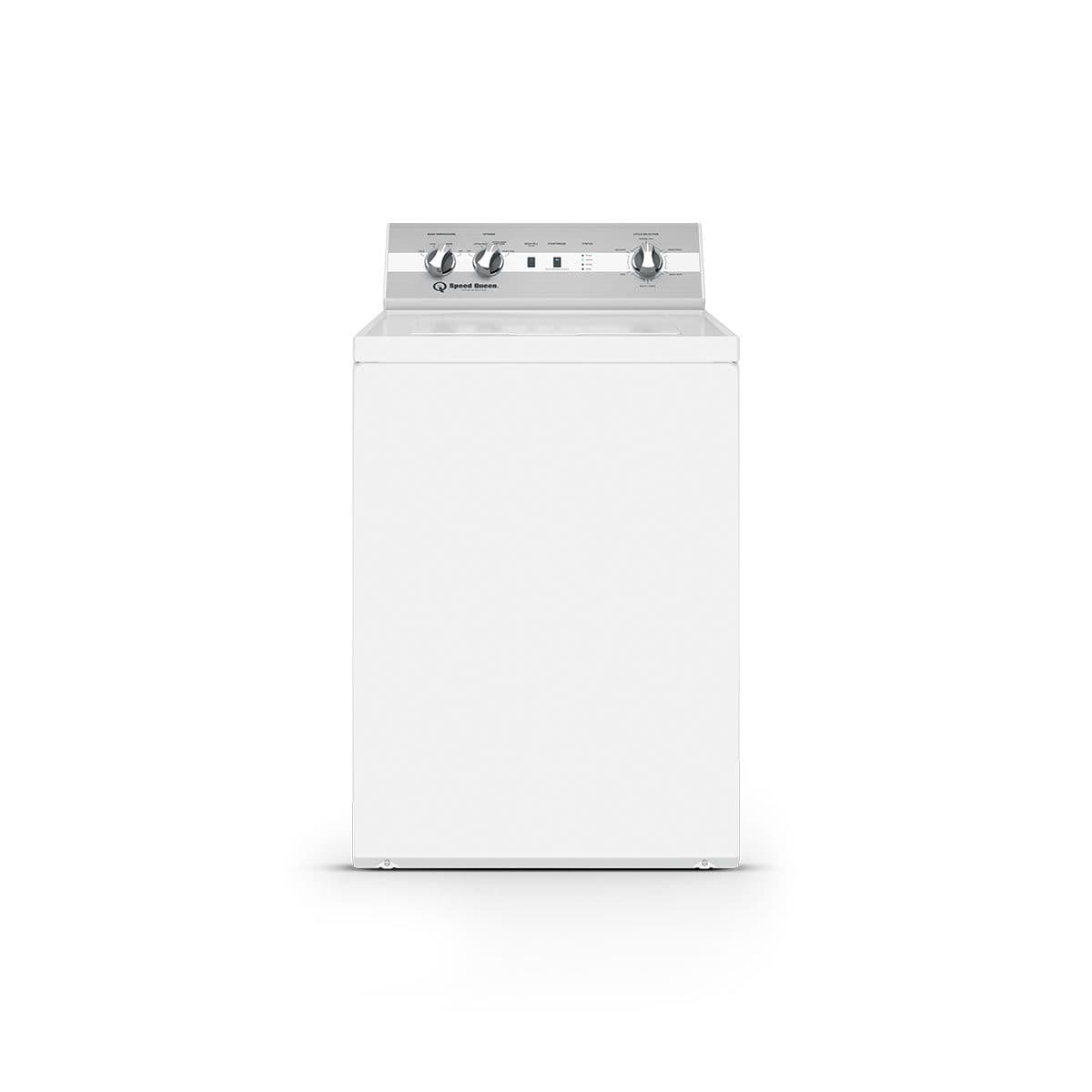
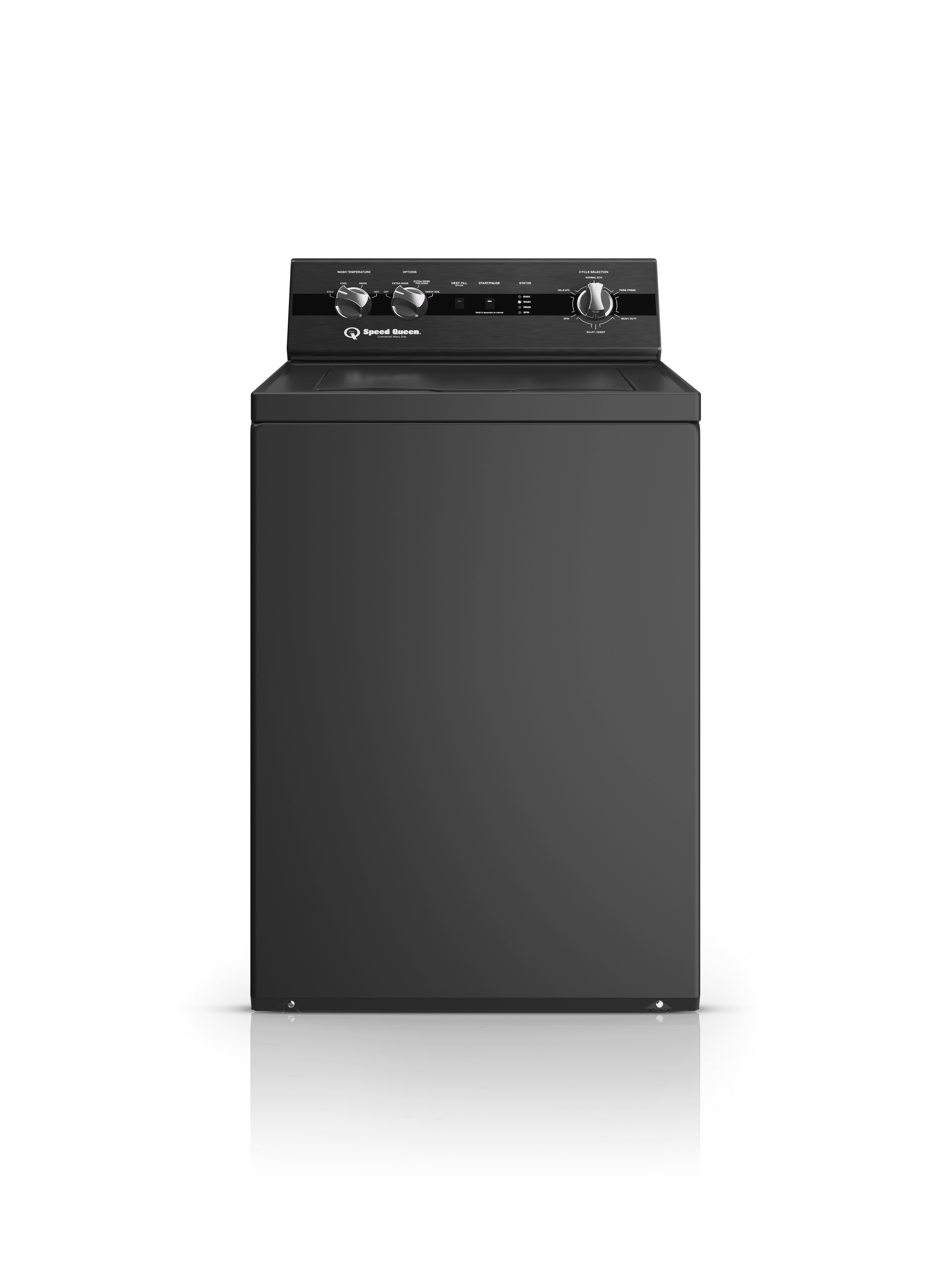
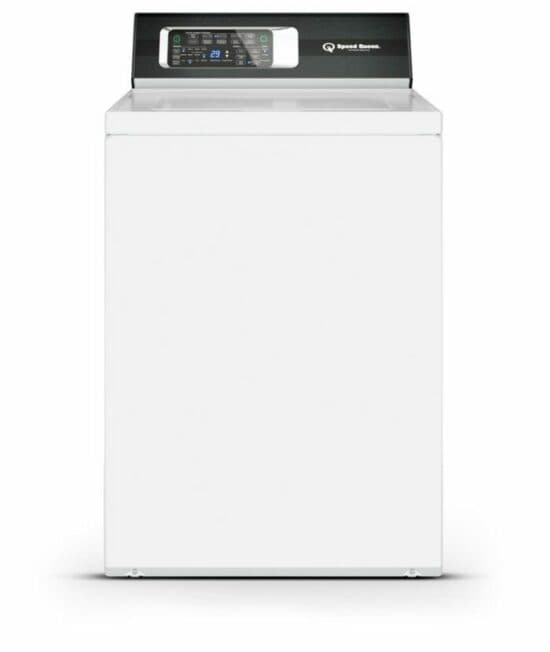
Speed Queen is made by Alliance Laundry Systems, a privately held manufacturer headquartered in Ripon, Wisconsin. Alliance designs, engineers and assembles Speed Queen washers and dryers there, and it has been building laundry equipment in that same town since 1908.
That is the short answer. The longer answer is more interesting, because the company behind Speed Queen is not primarily a home-appliance business — and that fact explains almost everything people notice about the machines.
A commercial laundry company that happens to sell to homes
Most washers in an American appliance showroom are made by companies whose core business is consumer appliances: refrigerators, dishwashers, ranges, and washers as one line among many. Alliance is the opposite. Its business is commercial laundry — the machines in laundromats, apartment laundry rooms, hotels, hospitals and military bases — sold in more than 140 countries.
Speed Queen is the brand that brings that engineering home. When a Speed Queen top load washer uses a stainless steel wash tub and a metal drive system where a competitor uses plastic, it is not a marketing decision. It is the same design language Alliance uses on equipment that has to survive a laundromat, where a machine may run more cycles in a year than a family runs in ten.
The other brands Alliance builds
Speed Queen is the name most American homeowners know, but it is one of several laundry brands under the same roof:
- Speed Queen — residential and light-commercial laundry, plus laundromat equipment
- UniMac — on-premises laundry for hospitals, hotels, fire departments and industrial operations
- Huebsch — commercial and multi-housing laundry
- Primus and IPSO — commercial brands with a large international footprint
- Cissell — commercial finishing and laundry equipment
Several of these arrived through acquisition as Alliance expanded across market segments and regions. The practical takeaway for a homeowner is simple: the engineering budget behind your washer is spread across a company whose reputation is built on machines that cannot afford to break, because when a commercial machine goes down somebody stops earning money.
Is Speed Queen still American-made?
Yes — Speed Queen washers and dryers are designed, engineered and assembled in Ripon, Wisconsin. We wrote about that factory town and its history in more detail in Is Speed Queen made in the USA?, including what has stayed put in Ripon while most appliance production scattered across the globe.
Does the manufacturer matter when you buy?
It matters in one very concrete way: the warranty. Speed Queen's factory warranty — up to seven years of parts and in-home labor depending on the model — is backed by Alliance and honored on machines bought through an authorized dealer. That coverage is a real part of what you are paying for, and it is the piece most easily lost by buying from an unauthorized seller. The tiers by model are laid out in our warranty guide.
It also shapes how Speed Queen is sold. You will not find these machines stacked in most big-box stores; Alliance sells residential Speed Queen largely through independent dealers who know the line. All Make Appliance is one of them — an authorized Speed Queen dealer in Jackson, New Jersey. We sell the machines Alliance builds; we do not build them, and we are not affiliated with Alliance beyond that dealer relationship.
The short version
Speed Queen is made by Alliance Laundry Systems in Ripon, Wisconsin — a privately held company that has been building laundry equipment in the same American town since 1908, whose main business is machines built for commercial duty. The residential washers and dryers are that commercial engineering, scaled to a laundry room.
It also explains the price. Building to commercial specifications costs real money on every unit, which we break down in why Speed Queen is so expensive.
If you want to see what that translates to in a machine you can actually buy, start with the top load and front load washers or the TR3 vs TR5 vs TR7 comparison, which walks through the tiers and what each step up actually buys.